
The microbiota: an ally of our health that we must look after
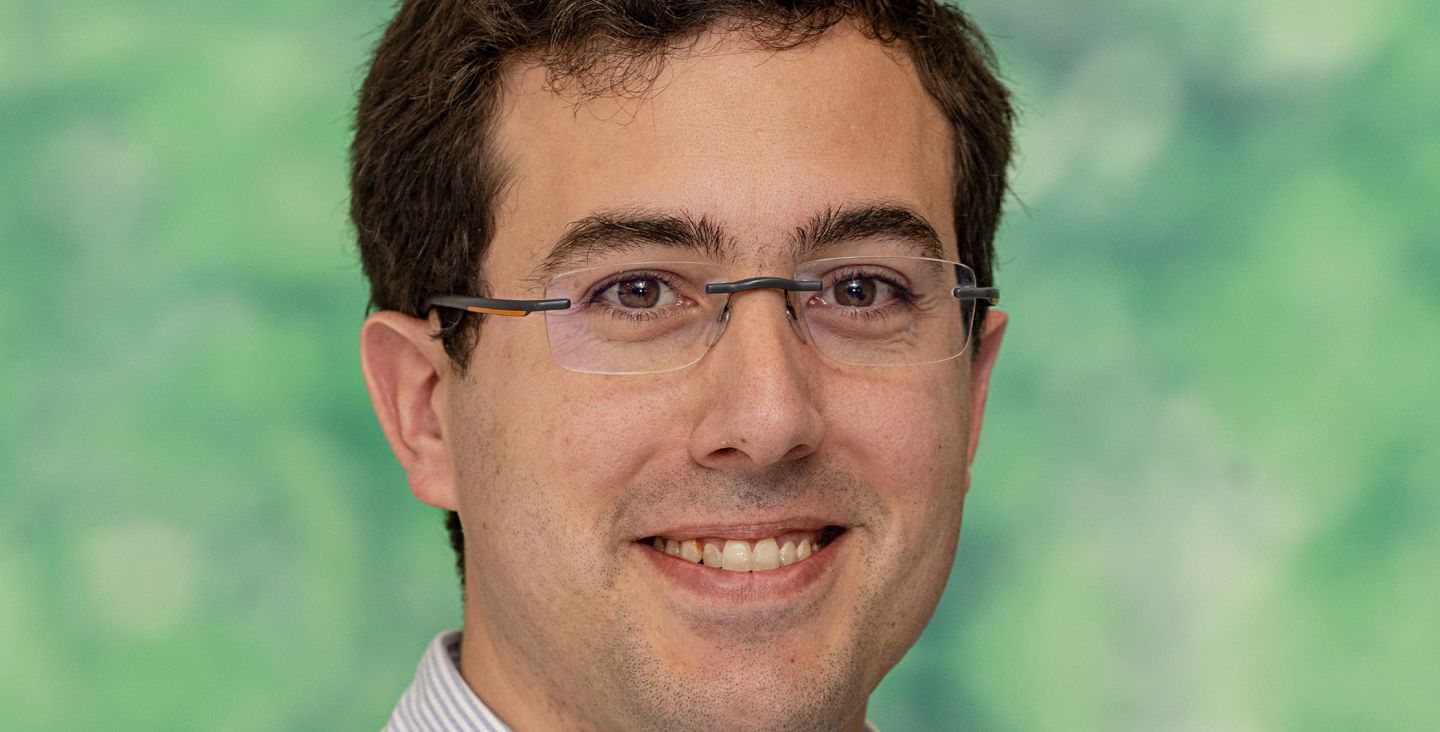
Dr Rafael Valdés
Principal investigator of the Microbiome and Clinical Physiology group at Cima Universidad de Navarra.
Over the last decade, the microbiota has gone from being a concept found solely in scientific articles in specialist journals to becoming a key topic of conversation at dinner tables across our country. Understood as the collection of microorganisms living within our bodies, Western society has come to recognise the vital role it plays in our health and in the development of conditions associated with ageing or related to the gut, such as ulcerative colitis, Crohn’s disease, colorectal cancer or SIBO (small intestinal bacterial overgrowth).
There are now numerous studies linking the gut microbiota to diet, lifestyle and, increasingly, to functions seemingly far removed from the gut, such as memory and brain health. A few weeks ago, the scientific journal *Nature* published a study in mice suggesting that changes in the gut microbiota during ageing may contribute to cognitive decline. The researchers observed that certain gut bacteria, including Parabacteroides goldsteinii, increased with age and produced metabolites capable of altering communication between the gut and the brain. Although the results cannot yet be directly extrapolated to humans, the study reinforces an idea that is becoming increasingly prevalent in biomedical research: looking after the gut could also be a way of protecting the brain as we age.
This is not an isolated study. The benefits of probiotics in restoring the microbiota following a course of antibiotics have recently been called into question. Recent studies have confirmed that taking probiotics is not only of no benefit but may actually slow down the gut’s recovery. In these studies, we compared three scenarios: spontaneous recovery, the transplantation of healthy microbiota from the same individual, and the use of probiotics. We found that probiotics significantly delayed the recovery of the original microbiota. In contrast, the most effective option was the transplantation of the individual’s own microbiota. This involves collecting gut microorganisms from a healthy faecal sample and preparing them for implantation when the microbiota is disrupted. It is undoubtedly one of the most effective strategies known today for accelerating the recovery of the microbiota, outperforming both spontaneous recovery and the use of probiotics.
Another example of this new way of understanding the microbiota comes from the field of colorectal cancer. In a paper published in the journal *Neoplasia*, we investigated how some gut bacteria not only coexist with us, but can also leave a molecular imprint on our cells. Specifically, certain strains of *Escherichia coli* are capable of producing colibactin, a bacterial toxin that damages the DNA of colon cells. This damage can act as a kind of molecular ‘scar’ which, over time, promotes the accumulation of mutations and contributes to the development or progression of tumours. The study suggests that the microbiota should not be understood merely as a passive companion to the disease, but as a factor which, in certain contexts, can influence how a tumour arises or develops.
Science is a constantly evolving discipline, and researchers are already beginning to explore an idea that, just a few years ago, seemed almost futuristic: treating diseases by modulating specific bacteria in the microbiota, without disrupting the entire gut ecosystem. In a study published in *Cell*, we developed a combination of bacteriophages – natural viruses that infect bacteria – designed to selectively target strains of *Klebsiella pneumoniae* associated with inflammatory bowel disease. Unlike antibiotics, which can act more indiscriminately, phages open the door to much more precise therapies, capable of reducing harmful bacteria whilst preserving the rest of the microbiota. Although there is still some way to go before these strategies can be translated into clinical practice, this work paves the way for precision medicine based on correcting specific imbalances in the gut ecosystem.
To mark World Microbiota Day, let us remember that a healthy microbiota is a sign of a healthy life. It is, without a doubt, an ally that we must look after.