
AI to analyze the behavior and antitumor efficacy of immune system cells
Cima launches a research project that will validate the role of artificial intelligence in improving the efficiency of immunotherapy
January 20, 2026
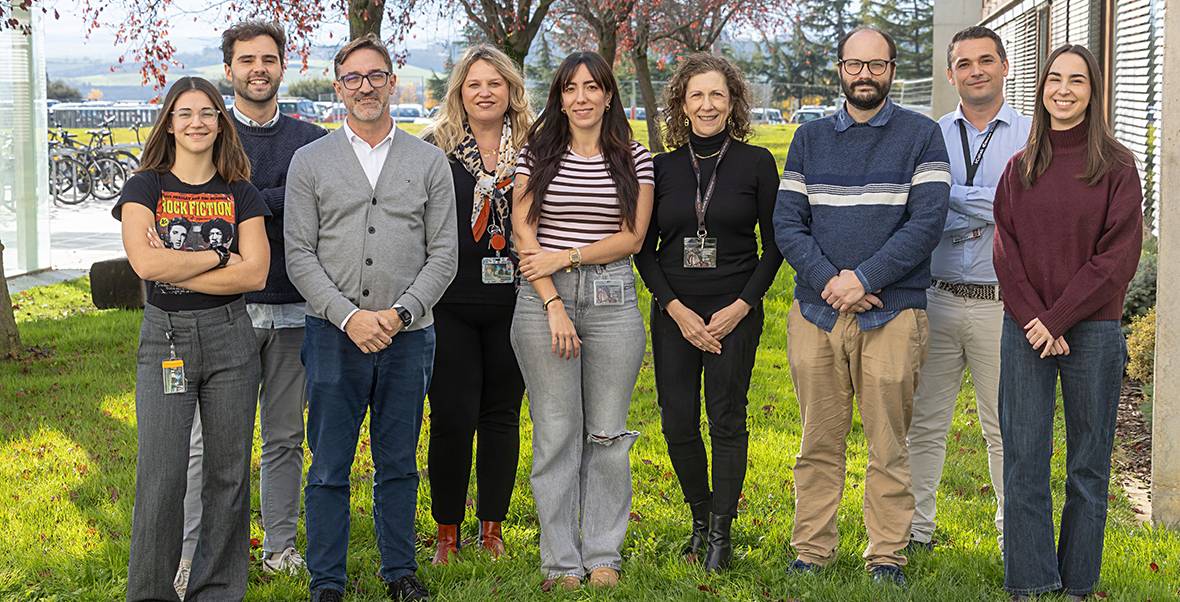
Cima Universidad de Navarra is participating in the AI-FUSE artificial intelligence research project, which focuses on predicting the behavior and antitumor efficacy of immune system cells. It is one of 20 consortia selected from more than 200 submitted to the Ministry of Science and Innovation's call for artificial intelligence (AI) projects.
Coordinated by the Universidad de Zaragoza, and with the collaboration of the Universidad Pablo Olavide in Seville, the project will create a repository of videos that can be used to validate the effectiveness of AI algorithms in explaining the behavior of immune system cells and determine their potential application in immunotherapy. “One of the objectives of our subproject is to define metrics that will allow us to validate the cell tracking algorithms developed by the other members of the consortium,” explains Dr. Carlos Ortiz de Solórzano, principal investigator of the Cima Imaging Platform.
Interaction of the immune system with the tumor
Furthermore, the project aims to characterize and classify the cellular behavior of the immune system under different experimental conditions. “Thanks to Cima's experience in immunotherapy, the groups led by Dr. Sandra Hervás and Dr. Álvaro Teijeira will provide extensive visual information on how immune system cells interact with the tumor. This will facilitate the creation of a database with images classified according to cell movement on which to train AI algorithms,” adds Dr. Ortiz de Solórzano.
While the Cima group will contribute its expertise and microscopy equipment to the study of the role of the immune system, the groups from the University of Zaragoza and the Pablo Olavide University in Seville will work, using a similar methodology, on understanding environmental scenes and natural scenes commonly found in robotics applications. The consortium's ultimate goal is to develop AI tools that are capable of explaining the content of any scene, without being limited to a specific area of work.
The consortium, funded with €1.2 million, plans to develop this project over the next three years.